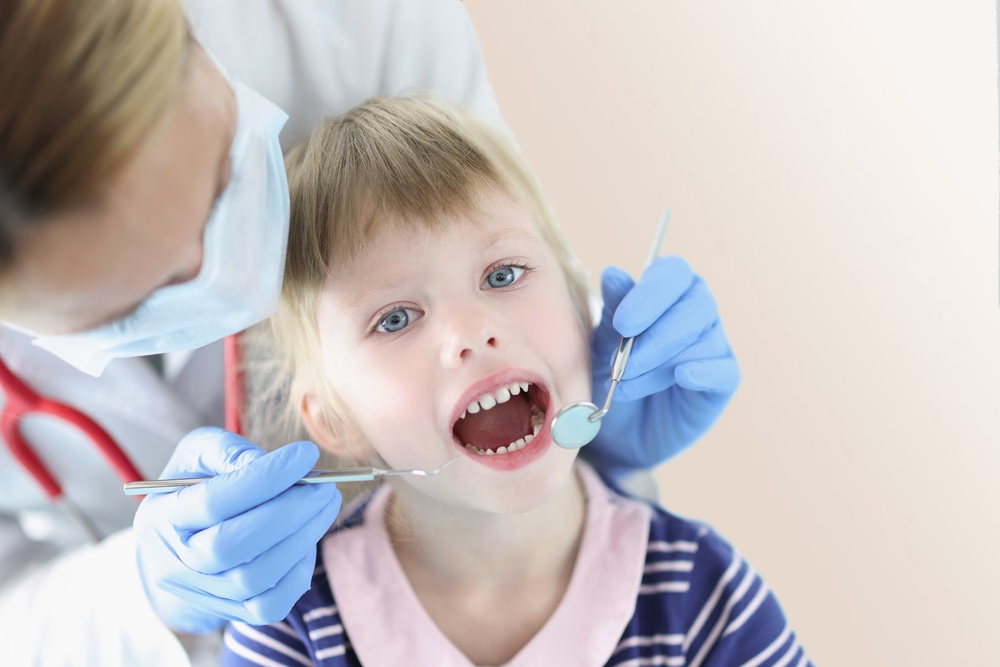
At London Dental Specialists, we understand that establishing proper dental hygiene habits early is crucial for lifelong oral health. Many parents have questions about how to care for their children's teeth from infancy through adolescence. Our team provides guidance on age-appropriate brushing techniques, fluoride use, and preventive care to address common concerns like dental caries, tooth defects, and gingivitis. We're here to help your family navigate the changing dental needs as your child grows—from teaching toddlers to brush with a rice-sized amount of toothpaste to encouraging teenagers to maintain consistent brushing and flossing routines despite their busy schedules. Browse our frequently asked questions below to find practical advice for supporting your child's smile at every stage of development.
What is the best oral hygiene routine for children?
The best oral hygiene routine for children varies by age. For children under 3 years old, parents should help brush twice daily for 2 minutes using a soft toothbrush with a rice-grain sized smear of fluoride toothpaste. Children 3 years and older should use a pea-sized amount of fluoride toothpaste while brushing twice daily for 2 minutes. Regular dental check-ups at London Dental Specialists are essential, with the first visit recommended when the first tooth appears or by their first birthday.
When should my child first visit the dentist?
Your child should have their first dental visit when their first tooth appears or by their first birthday, whichever comes first. Early visits to London Dental Specialists help establish a positive relationship with dental care, allow for early detection of potential issues, and provide parents with guidance on proper oral hygiene techniques. Regular check-ups every six months thereafter help ensure optimal dental development and health.
How can I prevent tooth decay in my teenager?
To prevent tooth decay in teenagers, establish a consistent oral hygiene routine including brushing twice daily with fluoride toothpaste, flossing daily, and using an antimicrobial mouthwash. Limit sugary foods and drinks, especially between meals. Consider dental sealants and fluoride treatments at London Dental Specialists for added protection. Schedule regular six-month check-ups and professional cleanings to catch and address potential issues early.
What are the most common dental problems in children and adolescents?
The most common dental problems in children and adolescents include:
- Dental caries (tooth decay)
- Developmental tooth defects
- Dental trauma from accidents or sports
- Dental erosion from acidic foods and drinks
- Gingivitis and early periodontal disease
- Malocclusion (improper bite alignment)
- Wisdom tooth complications (in older teens)
- Temporomandibular joint disorders
Regular visits to London Dental Specialists can help identify and treat these issues early.
How should teenagers care for their braces?
Teenagers with braces should brush after every meal using a soft-bristled toothbrush or orthodontic brush, angling to clean above and below brackets. They should floss daily using floss threaders or orthodontic flossers to clean between wires and teeth. Water flossers can be helpful additions. Avoiding hard, sticky, and chewy foods prevents damage to braces. Regular check-ups at London Dental Specialists are essential for adjustments and monitoring oral health during orthodontic treatment.
Are dental sealants recommended for children?
Yes, dental sealants are highly recommended for children. These thin, protective coatings are applied to the chewing surfaces of back teeth (molars and premolars) to prevent decay in the deep grooves where toothbrushes can't reach effectively. At London Dental Specialists, we typically recommend sealants soon after permanent molars erupt, around ages 6-7 for first molars and 11-13 for second molars. Sealants are painless to apply and can reduce cavity risk by up to 80% in the first two years.
How can I help my child overcome dental anxiety?
To help your child overcome dental anxiety, start dental visits early at London Dental Specialists to establish familiarity. Use positive, age-appropriate language when discussing dental visits, avoiding words like \"pain\" or \"hurt.\" Role-play dental visits at home to build comfort. Consider scheduling a meet-and-greet appointment before treatment. Bring a comfort item to appointments. Praise brave behaviour regardless of outcome. For severe anxiety, discuss options like gentle sedation with your dentist to ensure necessary treatment can be completed comfortably.
What should I do if my child has a dental emergency?
For a dental emergency involving your child, contact London Dental Specialists immediately for guidance. For a knocked-out permanent tooth, handle it by the crown (not the root), rinse gently without scrubbing, and try to reinsert it or keep it in milk while seeking immediate care. For broken teeth, rinse with warm water and apply cold compresses for swelling. For toothaches, rinse with warm water and use dental floss to remove any trapped food. Never place aspirin directly on gums or teeth. Prompt professional attention is crucial for dental emergencies to prevent complications.
How often should children and teenagers have dental check-ups?
Children and teenagers should have dental check-ups every six months at London Dental Specialists. These regular visits allow for professional cleaning, early detection of potential issues like cavities or misalignment, monitoring of dental development, and application of preventive treatments like fluoride. Some children with specific dental concerns may need more frequent visits, as recommended by their dentist. Consistent check-ups establish good dental habits and help ensure optimal oral health throughout childhood and adolescence.
Can’t find the answer to your Dental Hygiene for Children and Teens questions here? Always feel welcome to
contact us with your Dental Hygiene for Children and Teens questions and concerns.