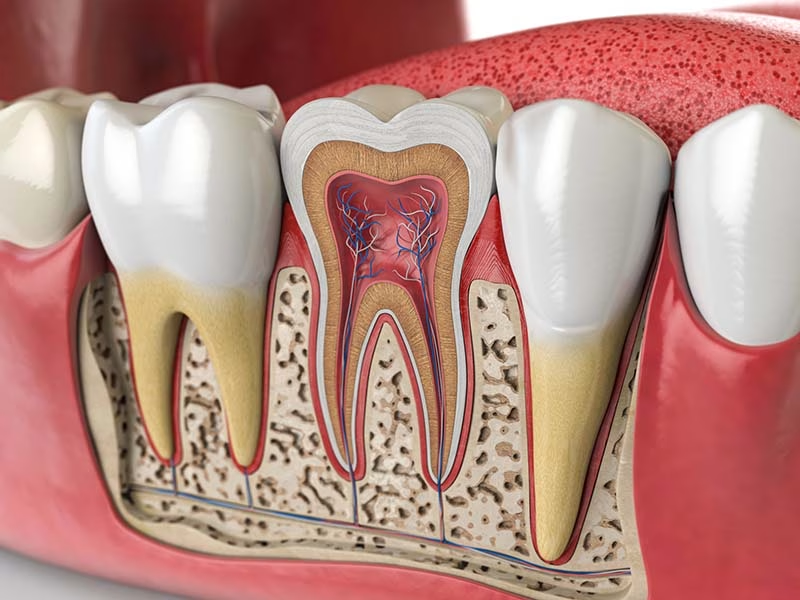
Dental luxation injuries occur when teeth are displaced from their normal position due to trauma. At London Dental Specialists, we understand the urgency and anxiety these situations create. Our treatment approach for luxated teeth varies based on severity—from stabilisation with splints to surgical repositioning or root canal therapy. Recovery typically takes 4-6 weeks, with supporting tissues healing gradually. Prompt action is crucial; if your tooth becomes dislodged, handle it carefully by the crown, keep it moist, and seek emergency dental care immediately. Our specialists provide comprehensive care throughout your recovery journey, ensuring the best possible outcome for your displaced teeth.
What is a dental luxation injury?
A dental luxation injury occurs when a tooth is displaced from its normal position in the socket due to trauma. At London Dental Specialists, we classify luxation injuries based on the direction and severity of displacement. These injuries can range from concussion (tooth is tender but not displaced) to more severe forms where the tooth is partially pushed out (extrusion), pushed into the socket (intrusion), or moved sideways (lateral luxation).
How do you treat dental luxation at London Dental Specialists?
At London Dental Specialists, our treatment for dental luxation depends on the diagnosis and severity of the displacement. Treatment typically includes:
- Stabilising the tooth with a specialised splint for two to four weeks
- Performing root canal treatment on severely displaced teeth
- Applying medicaments such as calcium hydroxide to prevent inflammatory root resorption
- Monitoring the tooth's healing through regular follow-up appointments
- Providing appropriate pain management and antibiotics when necessary
How long does tooth luxation take to heal?
The healing time for tooth luxation varies depending on the severity of the injury. With proper treatment at London Dental Specialists, most supporting tissues around the tooth heal within six weeks if the nerve structure remains undamaged. The surrounding tissues that support your tooth typically experience swelling and inflammation that resolves within a few weeks. However, complete healing and monitoring may continue for several months to ensure no complications develop.
How do you treat intrusive luxation of permanent teeth?
For intrusive luxation (where the tooth is pushed into the socket), our specialists at London Dental Specialists provide treatment based on the severity of intrusion:
- For mild intrusions (less than 3mm), we may allow for spontaneous re-eruption with careful monitoring
- For moderate intrusions (3-7mm), we typically perform orthodontic repositioning of the tooth
- For severe intrusions (more than 7mm), we conduct immediate surgical repositioning followed by splinting for 4 weeks
- Root canal treatment is often necessary and is initiated within 2-3 weeks of the injury
What should I do immediately if my tooth becomes dislodged?
If your tooth becomes dislodged, follow these immediate steps before reaching London Dental Specialists:
- Locate the tooth if it has come out completely
- Handle the tooth carefully, touching only the crown (not the root)
- Gently rinse the tooth with milk or saline solution (not water) if it's dirty
- If possible, attempt to reinsert the tooth into its socket
- If reinsertion isn't possible, keep the tooth moist in milk, saline solution, or tucked in your cheek
- Contact our emergency dental care line immediately
- Arrive at our clinic as quickly as possible – ideally within 30 minutes
Can a luxated tooth be saved?
Yes, many luxated teeth can be saved with prompt and appropriate treatment. At London Dental Specialists, our success rates are highest when patients seek treatment within 30-60 minutes of the injury. The prognosis depends on several factors including the type of luxation, the stage of root development, and how quickly treatment is initiated. With proper emergency care and follow-up treatment, many luxated teeth can be preserved and remain functional for years.
Will I need a root canal after a tooth luxation injury?
The need for root canal treatment following a luxation injury depends on the severity of displacement and damage to the pulp (nerve tissue). At London Dental Specialists, we carefully assess each case individually. Generally, severely luxated teeth, especially in adult patients, often require root canal treatment as the blood supply to the pulp may be compromised. This procedure is typically initiated 2-3 weeks after the injury once the tooth has been stabilised.
How long will I need to wear a splint after a luxation injury?
The duration of splinting at London Dental Specialists depends on the type and severity of the luxation injury:
- For subluxation and extrusion: 2 weeks
- For lateral luxation: 4 weeks
- For root fractures (cervical third): 4 months or longer
- For avulsion (completely knocked-out tooth): 2 weeks
Our specialists will determine the appropriate splinting duration for your specific case and provide clear instructions for care during this period.
What follow-up care is needed after treatment for a luxated tooth?
After initial treatment for a luxated tooth at London Dental Specialists, follow-up care typically includes:
- Regular clinical examinations at 1, 2, 4, 8 weeks and then at 6 and 12 months
- Radiographic assessments to monitor healing and detect any complications
- Pulp vitality testing to check the health of the nerve
- Possible adjustment or removal of splints at the appropriate time
- Oral hygiene instructions to prevent infection around the injured tooth
- Additional treatments if complications such as root resorption develop
- Annual check-ups for at least 5 years in severe cases
Can’t find the answer to your Luxation Injuries Treatment for Displaced Teeth questions here? Always feel welcome to
contact us with your Luxation Injuries Treatment for Displaced Teeth questions and concerns.