Considering zygomatic and pterygoid implants? These specialised dental solutions offer hope for patients with significant bone loss in the upper jaw who might otherwise require extensive bone grafting. Zygomatic implants anchor into the cheekbone, while pterygoid implants utilise the dense pterygoid region at the back of the upper jaw. Both techniques require surgical expertise but can provide stable foundations for permanent teeth restoration. At London Dental Specialists, we understand you may have questions about suitability, procedure details, recovery time, and costs. Our experienced team is here to address your concerns about these advanced implant options, helping you make an informed decision about restoring your smile and confidence.
What are zygomatic implants?
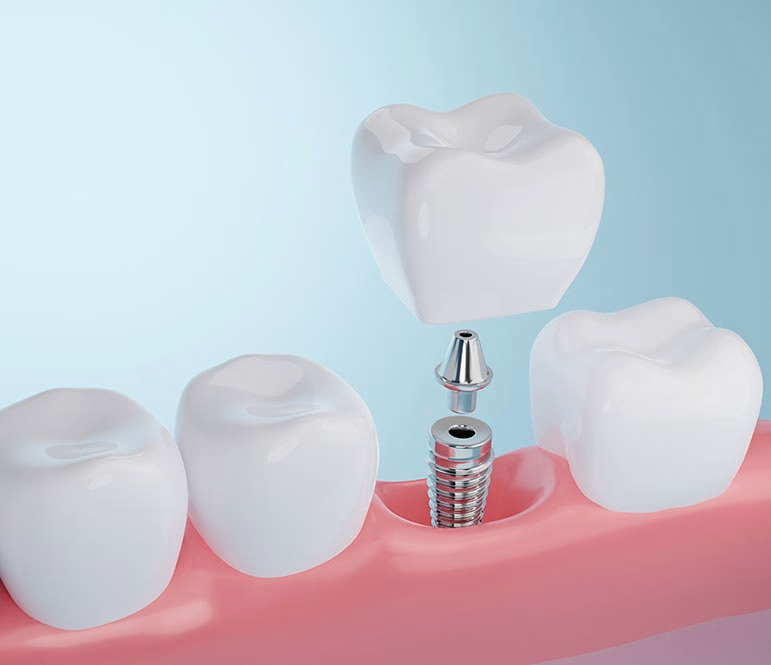
Zygomatic implants are specialised dental implants designed for patients with significant bone loss in the upper jaw. Unlike traditional implants, these longer implants are anchored into the zygomatic bone (cheekbone), providing a secure foundation for permanent upper bridges or dentures without requiring bone grafting procedures. At London Dental Specialists, our zygomatic implants offer a reliable solution for patients previously told they lack sufficient bone for conventional implants.
What are pterygoid implants?
Pterygoid implants are specialised dental implants that anchor into the pterygoid process of the sphenoid bone at the back of the upper jaw. They provide an alternative solution for patients with bone loss in the posterior maxilla, eliminating the need for sinus lifts or bone grafting procedures. London Dental Specialists utilises pterygoid implants to support fixed bridges in the back of the mouth where traditional implants may not be viable due to insufficient bone volume.
Who is a good candidate for zygomatic or pterygoid implants?
Ideal candidates for zygomatic or pterygoid implants include:
- Patients with significant bone loss in the upper jaw
- Individuals who have been told they need bone grafting or sinus lifts
- Patients seeking alternatives to removable dentures
- Those looking for immediate loading solutions
- Patients with failed previous implants or grafting procedures
A comprehensive consultation at London Dental Specialists will determine if these specialised implants are suitable for your specific case.
What are the advantages of zygomatic and pterygoid implants?
Zygomatic and pterygoid implants offer several significant advantages:
- Eliminate the need for bone grafting or sinus lift procedures
- Reduce overall treatment time by months compared to grafting approaches
- Allow for immediate or early loading with provisional restorations
- Provide solutions for patients previously deemed unsuitable for implants
- Offer high success rates when placed by experienced specialists
- Support fixed full-arch restorations for improved quality of life
What are the disadvantages of pterygoid implants?
Pterygoid implants have some limitations to consider:
- Require significant interarch space for successful crown placement
- Demand advanced surgical expertise for proper placement
- May present challenges in achieving optimal stability if not properly placed
- Involve a more complex surgical procedure than standard implants
- Require specialised training that not all implantologists possess
At London Dental Specialists, our team has extensive experience with pterygoid implant placement, minimising these potential disadvantages.
How long do zygomatic and pterygoid implants last?
With proper care and regular check-ups, zygomatic and pterygoid implants can last 15-20 years or longer. Their longevity depends on several factors including oral hygiene practices, regular professional maintenance, absence of smoking, and overall health. London Dental Specialists provides comprehensive aftercare guidance and scheduled maintenance appointments to help ensure the long-term success of your implants.
How much do zygomatic and pterygoid implants cost in London?
The cost of zygomatic and pterygoid implants at London Dental Specialists varies based on individual patient needs, the number of implants required, and the complexity of the case. While these specialised implants typically involve a higher investment than conventional implants, they often eliminate the need for bone grafting procedures, potentially reducing overall treatment costs. We provide detailed treatment plans with transparent pricing during your consultation.
What is the recovery time after zygomatic or pterygoid implant surgery?
Recovery after zygomatic or pterygoid implant surgery typically involves:
- Initial healing period of 7-10 days for soft tissue recovery
- Mild to moderate swelling and discomfort for 3-5 days
- Return to normal activities within 1-2 weeks
- Complete osseointegration (bone fusion) within 3-6 months
London Dental Specialists provides comprehensive post-operative care instructions and medication to ensure a comfortable recovery process.
Are zygomatic and pterygoid implants safe?
Yes, zygomatic and pterygoid implants are safe when placed by properly trained specialists. At London Dental Specialists, our surgeons have extensive experience with these advanced techniques, ensuring optimal outcomes. While all surgical procedures carry some risks, complications are rare when performed by experienced clinicians using proper diagnostic imaging and surgical protocols. We conduct thorough pre-operative assessments and use state-of-the-art technology to plan and execute these procedures with the highest safety standards.
Can’t find the answer to your Zygomatic & Pterygoid Implants questions here? Always feel welcome to
contact us with your Zygomatic & Pterygoid Implants questions and concerns.